 ALT
ALTKenochoric: A Masterpost
Kenochoric is a term I created back in 2020. It’s gone through numerous edits, additions, and different sites to talk about what it can mean, subterms for it, and new terminology. With this version of the post, I hope to put in everything relevant up to this point, and have a live post available on Tumblr since my old blogs are gone.
Kenochoric’s official “homepage” is now on my Neocities. The old Carrd is still up, but it has a disclaimer that will redirect you to the right place. I only keep it up for archiving’s sake. The new page is still technically a WIP, and will contain more and more over time, but it’s fully functional and has the definition below.
[1] The Definition of Kenochoric:
Kenochoric is a gender identity centered around concepts like the unknown, darkness / obscurity, liminal spaces, emptiness, the uncanny valley, nostalgia, and anything else that can be considered similar, or evokes similar “vibes.” It’s also an umbrella term for identities that can fall under this definition. There isn’t any one specific “thing” that makes something kenochoric or not, because gender identity and what it means to you is personal.
While kenochoric was created to be a gender umbrella, it is also sometimes used to describe other kinds of identities.
The term kenochoric stems from two things; keno was taken from kenopsia, and the prefix, kenós, is a Greek root meaning “empty.” Choric was taken from another Greek root, khôros, meaning “room,” and was also partly chosen because it somewhat resembles words like choir and chorus.
Kenochoric isn’t a part of other umbrella terms, such as xenogender. It is a stand-alone identity. That being said, you can of course be kenochoric as well as other genders, such as a kenochoric man / woman, kenochoric and xenogender (xenochoric), or anything along those lines. Hell, even people without gender identity (namely gendervoid and similar terms) could consider themselves kenochoric.
Someone who is kenochoric can be called an omen, or alternatively a hex. Omen is meant to be more in-line with words like man / woman, while hex is a little closer to boy / girl, but you don’t need to be any certain age to use either, similar to how some adults still refer to themselves as girls / boys simply because they prefer it. An alternative to hex, vex, was also created by Tumblr user @sangrenfreude!
Kenous refers to kenochoric “qualities,” equivalent to masculine and feminine. Kenosity is the equivalent to masculinity and femininity. Kenous is also sometimes referred to as kenoine.
[2] The Flags and Symbols
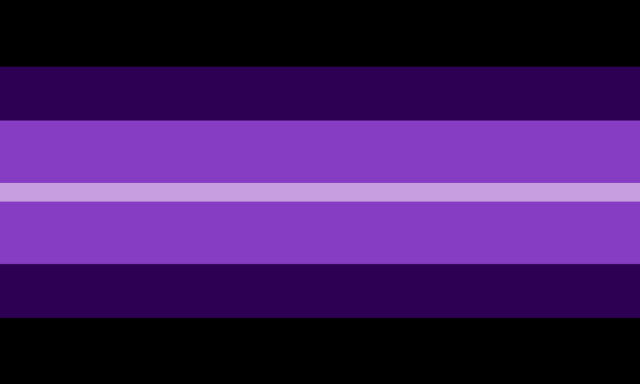
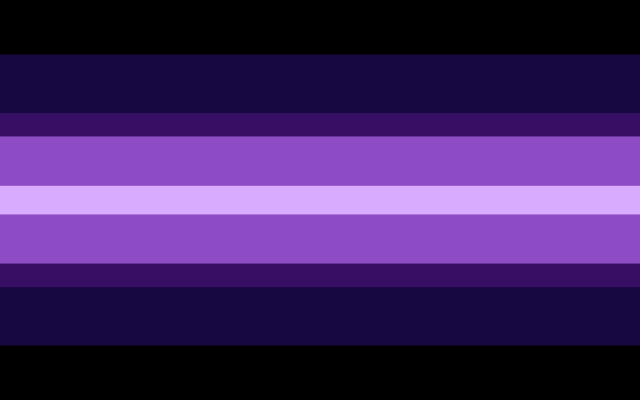
The flag on the top is the official, original kenochoric flag. Below are two alternatives I made a couple years ago.
 ALT
ALT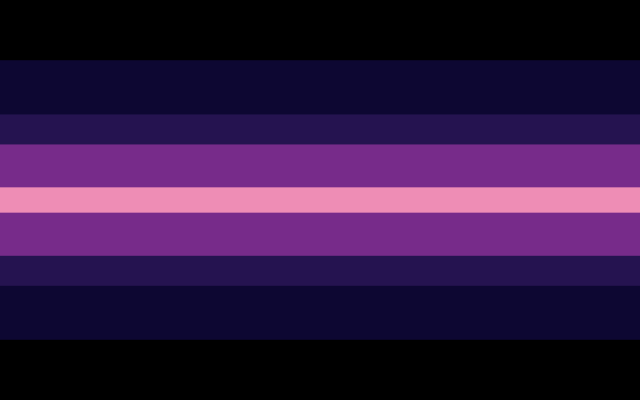 ALT
ALTThese aren’t “new” or “preferred” flags or anything, I just wanted to toy around with the flag a bit and really enjoyed these. So, they can be used as much as the original flag is.
 ALT
ALT ALT
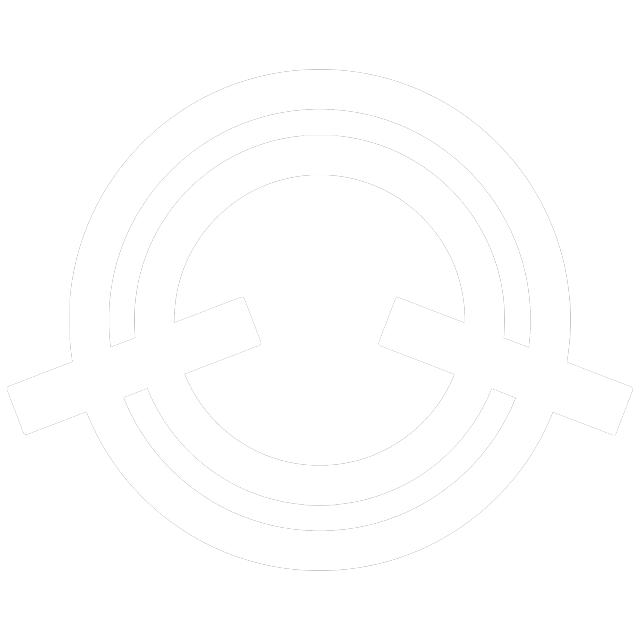
ALTThis is the kenochoric symbol, which was originally made by @mourningmogaicrew. There is a white and black variant here, so you might only see one of them on screen.
[3] Some Extra Terminology
- Kenochord is often used to describe a kenochoric gender.
- Transkenous / Transkenoine, or transkeno for short, is a transitional kenochoric subterm equivalent to terms like transmasculine and transfeminine.
- Achamoric, or kenomoric, is a term kenochoric people may use for their orientation, not fitting into other categories of attraction or labels due to their kenosity. It can be an orientation on its own, or it can be used as an umbrella term to describe a variety of kenous attraction (such as the terms below.)
- Haunian or Salvaen is a term for being attracted to kenochoric people in a “gay” way. Comparable to lesbian and veldian.
- Kenochoric-loving-kenochoric (klk), also called sablic or caligic, is for kenochoric people attracted to other kenochoric people, exclusively or not. Comparable to sapphic (wlw) and vincian (mlm).